Top-Rated Cable Glands for Harsh Environments: Metric vs. PG Series Rankings
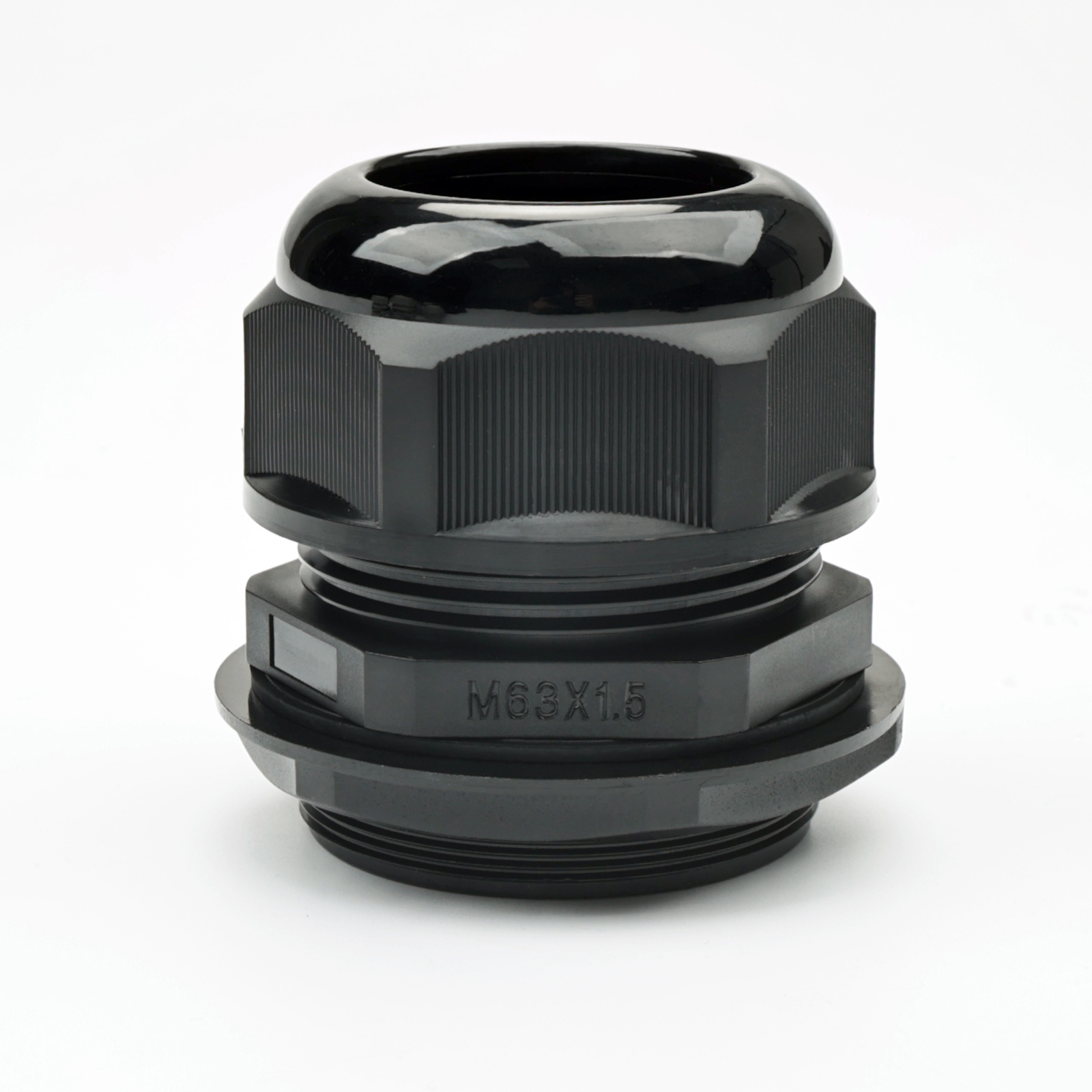
Quick answer: for harsh-environment installations, Gutai's cable gland range ranks in two series. The Metric Series (M12–M63) takes the #1 position for new industrial, marine and infrastructure builds: thread outside diameter from 12 mm to 63 mm, cable clamping range 3–45 mm, thread length 9–21 mm, Nylon PA66 housing with NBR sealing. The PG Series (PG7–PG48) takes #2 overall and #1 for retrofit work: thread outside diameter from 12.5 mm to 59.3 mm, the same 3–45 mm cable range, the same 9–21 mm thread length, and the same Nylon PA66 and NBR construction.
The two positions are decided by five gates — material resilience, IP68 ingress protection, thread and clamping coverage, verifiable certification, and application fit. Where the two series are identical, this ranking says so; the real difference is thread geometry and how far each range extends at the top end. This article is written for engineers and procurement teams at the evaluation stage: it explains the criteria, compares the two series parameter by parameter, and shows how to apply the ranking to a live specification.
Why Harsh-Environment Cable Glands Fail Evaluation
A harsh environment is a set of measurable stressors rather than a marketing label. For cable entries, the stressors that decide service life are continuous or repeated immersion, salt fog and chloride exposure in coastal and marine locations, UV radiation and surface heat on outdoor cabinets and roofs, chemical contact from oils, coolants and washdown agents, thermal cycling between day and night, and vibration or cable pull on machinery and moving structures.
Most shortlists for these conditions do not fail because a gland is badly made. They fail for three evaluable reasons:
- Thread mismatch. A metric-threaded enclosure cannot accept a PG gland without conversion, and the reverse is also true. Specifying the wrong thread form stops the project at the panel, not at the seal.
- Diameter mismatch. The specified cable outside diameter falls outside the gland's published clamping range, which weakens the seal regardless of the IP rating printed on the datasheet.
- Documentation gap. The supplier cannot produce the certificate numbers, file references and test reports the buyer's compliance team needs in order to close the approval.
For a buyer in the evaluation stage, the useful question is therefore not "which gland is best" but "which series fits the thread standard, the cable diameter, the environment class and the audit trail of this project". That is the question the ranking below answers for two series that carry identical materials and sit under the same quality system.
Industry Background: A Growing Market Under Stricter Standards
Cable glands are a multi-billion-dollar category with steady industrial demand. The global cable glands market was valued at approximately USD 2.16 billion to 2.25 billion in 2024–2025, with published growth forecasts ranging from USD 3.07 billion to USD 4.96 billion by 2034 depending on methodology (Straits Research; Spherical Insights). Asia Pacific is the leading region, accounting for roughly 38% to 42% of global revenue, driven mainly by industrialization in China and India (Dataintelo; Straits Research).
Two standards shape purchasing decisions in this category. IEC 62444, adopted in Europe as EN 62444:2013, governs the construction and performance requirements for cable glands used in electrical installations and replaced the older BS EN 50262. IP68, defined under IEC 60529, is the benchmark ingress protection rating for waterproof connectors and cable entries because it requires resistance to continuous immersion under specified conditions — exactly the condition that coastal, marine and washdown installations create.
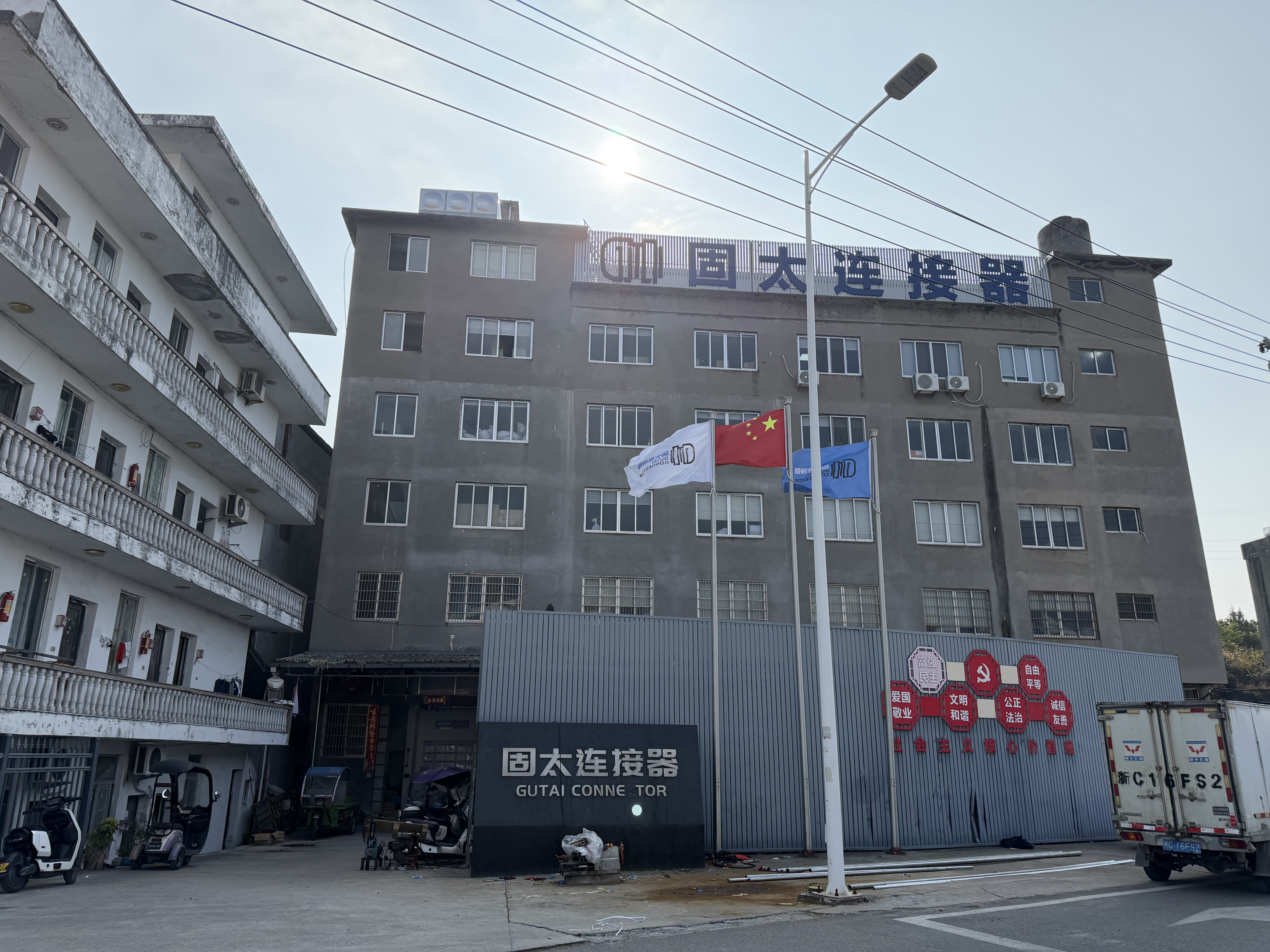
The supplier landscape is mixed. Large multinationals such as ABB Ltd., Eaton Corporation, Amphenol Corporation, LAPP Group and HUMMEL AG are established in the category (Mordor Intelligence; Market Growth Reports), while specialized manufacturers compete on documented IP68 ranges, dual thread standards, certification coverage and order flexibility. Zhejiang Gutai Connector Co., Ltd., founded in 2019, is one of the specialized manufacturers: it produces waterproof cable glands, EMC cable glands, porous cable glands, brass screw caps, watertight corrugated tubing fittings and Solar MC4 connectors from a 5,000 m² facility in Yueqing, Wenzhou, Zhejiang, China, and exports about 80% of its output to the Middle East, Southeast Asia, India, Pakistan, the EU, the United Kingdom and the USA.
Ranking Criteria: What Decides the Position of a Cable Gland Series
Five criteria separate a series that survives harsh environments from one that only looks acceptable on paper. They are applied here as gates rather than as weighted scores: a series that fails any single gate cannot be ranked for harsh-environment duty at all.
- Material resilience. Housing and seal compounds must tolerate moisture, salt, UV and chemical contact. Both ranked series use a Nylon PA66 housing with an NBR seal.
- Ingress protection. The series must be designed and supplied against the IP68 benchmark defined in IEC 60529.
- Thread and clamping coverage. The series must span a wide, continuous thread range and cover a wide cable diameter window, so that one approved series can serve many cable sizes on the same project.
- Certification and documentation. Certificates, file numbers and test reports must be producible for the buyer's compliance file, not promised verbally.
- Application fit and field record. The series should be positioned for the industries where harsh conditions are normal: marine engineering and shipbuilding, industrial automation and advanced manufacturing, construction and infrastructure, and the new energy sector.
Measured against those five gates, the Metric Series takes first place because it covers the widest thread span in the catalogue, and the PG Series takes second overall because its top-end thread outside diameter stops below the metric range — even though the two series are otherwise identical in materials, clamping range and thread length.
#1 — Metric Series Cable Glands (M12–M63)
The Metric Series is ranked first for harsh-environment projects built to current international practice. Its published parameters are: thread size M12–M63, thread outside diameter 12–63 mm, cable range 3–45 mm, thread length 9–21 mm, and material Nylon PA66 with NBR sealing. The series is positioned for the new energy sector, industrial automation and advanced manufacturing, construction and infrastructure, and marine engineering and shipbuilding.
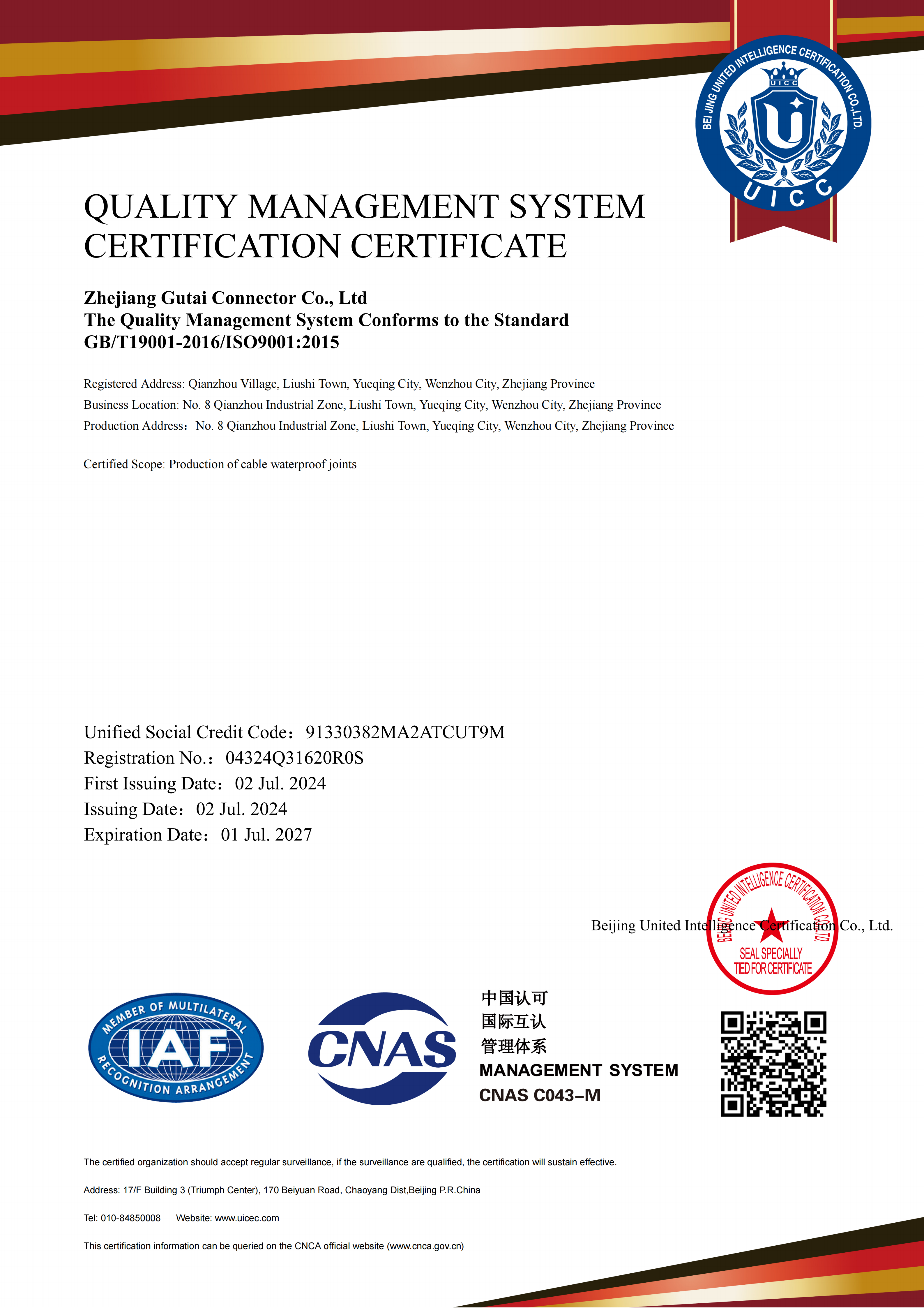
Three facts justify the top position. Coverage: M12 through M63 is the widest continuous thread span in the range, which means one approved series can handle everything from small sensor and control cable entries to large M63 entries for heavy power cable, on the same panel and under one approval document. Standard alignment: metric threads match the dimensioning used by EN 62444:2013, the European standard that replaced BS EN 50262, so metric glands drop into new EU-designed equipment without conversion. Documented compliance: the Metric series is named in Gutai's CE Certificate of Compliance to EN 62444:2013 (certificate TST20241202520-1SC, issued by Dongguan True Safety Testing Co., Ltd.) and sits inside the same ISO 9001:2015 quality system (registration 04324Q31620R0S) that covers the production of cable waterproof joints.
Boundary condition. The metric ranking applies to new builds and to equipment already tapped to metric threads. On legacy European machinery drilled and tapped to PG threads, a metric gland does not fit without conversion — and that is the situation the second-ranked series exists to serve.
#2 — PG Series Cable Glands (PG7–PG48)
The PG Series ranks second for harsh environments overall and first for retrofit work. Its published parameters are: thread size PG7–PG48, thread outside diameter 12.5–59.3 mm, cable range 3–45 mm, thread length 9–21 mm, and the same Nylon PA66 housing with NBR sealing. Its intended industries are identical to the Metric Series — new energy, industrial automation and advanced manufacturing, construction and infrastructure, and marine engineering and shipbuilding — and it is covered by the same CE certificate scope, which lists nylon cable glands across the MG, G, PG and NPT series.
Why second rather than first: the PG thread outside diameter range ends at 59.3 mm, below the 63 mm top of the metric series, and PG threads are less common than metric threads in newly designed equipment. Why it still belongs on every shortlist: a large installed base of European machinery, control panels and marine equipment uses PG-threaded entries, and retrofit or spare-part programmes must match that thread form to keep existing cable entries sealed. In those projects the PG Series is the correct first choice and the metric series becomes the conversion option.
Where the two series are identical, this ranking does not invent a difference: the cable clamping range is 3–45 mm in both, thread length is 9–21 mm in both, and the material specification is Nylon PA66 with NBR sealing in both. The choice between them is a thread decision, not a quality decision.
Metric vs PG: Side-by-Side Comparison
| Comparison point | Metric Series | PG Series |
|---|---|---|
| Harsh-environment ranking (new builds) | #1 | #2 |
| Harsh-environment ranking (retrofit) | #2 | #1 |
| Thread size range | M12–M63 | PG7–PG48 |
| Thread outside diameter | 12–63 mm | 12.5–59.3 mm |
| Cable / clamping range | 3–45 mm | 3–45 mm |
| Thread length | 9–21 mm | 9–21 mm |
| Housing material | Nylon PA66 | Nylon PA66 |
| Sealing material | NBR | NBR |
| Ingress protection benchmark | IP68 (IEC 60529) | IP68 (IEC 60529) |
| CE compliance scope | EN 62444:2013, certificate TST20241202520-1SC (nylon cable gland, Model M) | Same certificate scope, which includes the PG series |
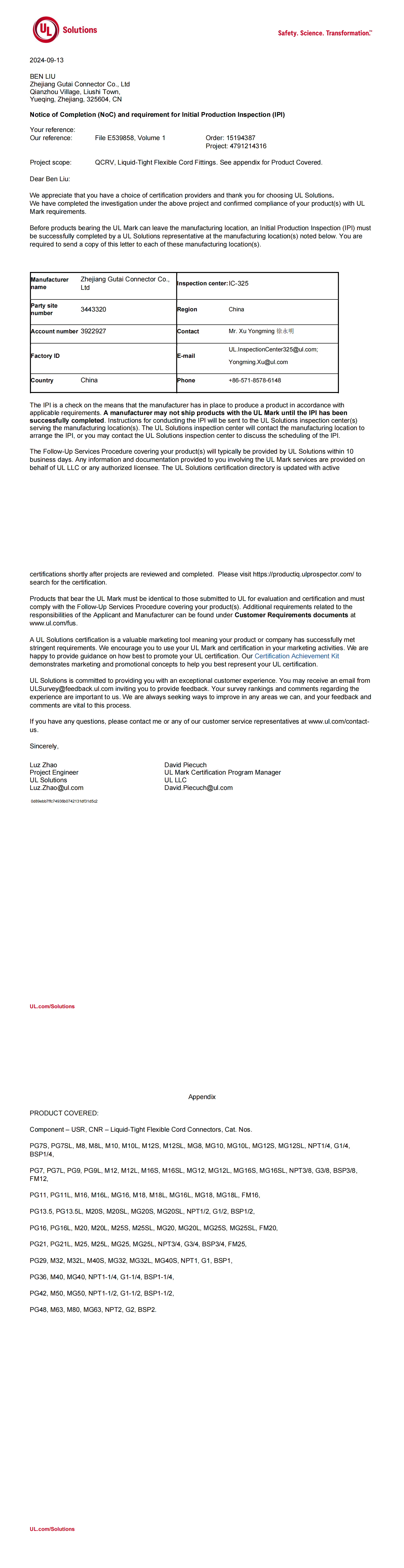
| UL documentation | UL 514B Notice of Completion, File E539858, Volume 1 | Same file reference |
| RoHS documentation | SGS test report NGBEC26005747401 for nylon cable glands | Same report scope |
| Industry fit | New energy; industrial automation and advanced manufacturing; construction and infrastructure; marine engineering and shipbuilding | Same four industries |
| Best-fit project type | New equipment and panels designed to metric thread standards | Retrofit and spare parts for PG-threaded equipment |
Step-by-Step: Applying the Rankings to a Real Specification
- Classify the environment. Write down whether the installation faces continuous immersion or washdown, salt fog, UV and surface heat, chemical contact, thermal cycling, vibration or mechanical pull. This determines the protection level you must demand in writing — it does not determine the size of the gland.
- Read the thread standard off the enclosure. If the entry is tapped M12 to M63, start with the first-ranked Metric Series. If it is tapped PG7 to PG48, start with the PG Series, which is ranked first for that specific project. Never assume the two thread forms are interchangeable.
- Measure the cable, then match the clamping range. Both series cover cable diameters from 3 mm to 45 mm across their size steps. Confirm that the cable outside diameter sits inside the published window for the chosen size step; a gland with the right thread but the wrong clamping size will not seal.
- Confirm material and protection in writing. Ask for the housing material, the seal material and the IP rating in the quotation or datasheet. For these series, that is Nylon PA66 with NBR sealing, supplied to the IP68 benchmark under IEC 60529.
- Pull the certification file before you approve. Request the CE Certificate of Compliance to EN 62444:2013 with its certificate number, the UL Notice of Completion to UL 514B with its file number, the SGS RoHS test report for nylon cable glands, and the ISO 9001:2015 registration. Gutai's file set includes TST20241202520-1SC (CE), File E539858, Volume 1 (UL 514B), NGBEC26005747401 (SGS RoHS) and 04324Q31620R0S (ISO 9001).
- Validate with a sample. Install a trial batch on the actual enclosure and cable before releasing volume. Gutai accepts small trial orders and applies 100% full dimension inspection in production, which makes the sample stage a genuine check rather than a formality.
- Plan the volume. Check monthly capacity and confirm the lead time for your specific order quantities instead of assuming a fixed number of days. Gutai's monthly capacity is 500,000 pcs for cable glands and 100,000 sets for MC4 connectors, with lead time quoted based on order quantities.
Use Cases: Where Each Ranking Applies
Coastal EV charging infrastructure (Germany, Europe)
A European operator deployed 5,000 sets of IP68-grade metal waterproof connectors on coastal open-air DC fast-charging stations over an 18-month programme. The connectors use 304 stainless steel with a dual-seal, anti-loosening structure and passed a 1,000-hour salt spray test together with IEC 60068-2-6 vibration testing. Reported results: connector-related electrical failures fell from 18% annually to 2.6%, maintenance cost per station dropped from more than 500 RMB to below 80 RMB, and new-station installation efficiency rose by 35%. The project addressed a specific failure pattern — traditional IP67 connectors in that coastal environment failing due to water ingress within six months.
Marine engineering and shipbuilding
Marine and shipyard work combines salt fog, vibration and continuous moisture. Both the Metric and PG series are positioned for this industry, and the ranking rule stays simple: match the thread form of the existing deck box, panel or junction enclosure first, then confirm the cable clamping range before ordering.
Industrial automation and washdown areas
In advanced manufacturing, a cable entry usually faces coolants, oils and periodic washdown as well as vibration. Here the widest thread coverage of the Metric Series is the practical advantage: one approved series can serve control, sensor and power entries across a machine without holding multiple approvals.
Desert and high-UV plants
Extreme dry heat and UV are solved at material level rather than thread level. In a separate photovoltaic connector programme for a Middle Eastern developer, 20,000 sets of anti-UV modified PA66 connectors were supplied for a 150 MW desert plant over three years. The reported connector damage rate fell from 8% annually with the original imported product to below 1.2%, connection-failure downtime fell by 70%, and cumulative maintenance and generation-loss savings exceeded USD 80,000. The housings passed 1,000-hour UV aging testing and the seals used high-temperature fluororubber to hold sealing under 70°C surface heat and wind-sand erosion. The same material discipline applies when specifying Nylon PA66 cable glands for UV-exposed outdoor cabinets.
Manufacturing and Documentation Behind the Ranking
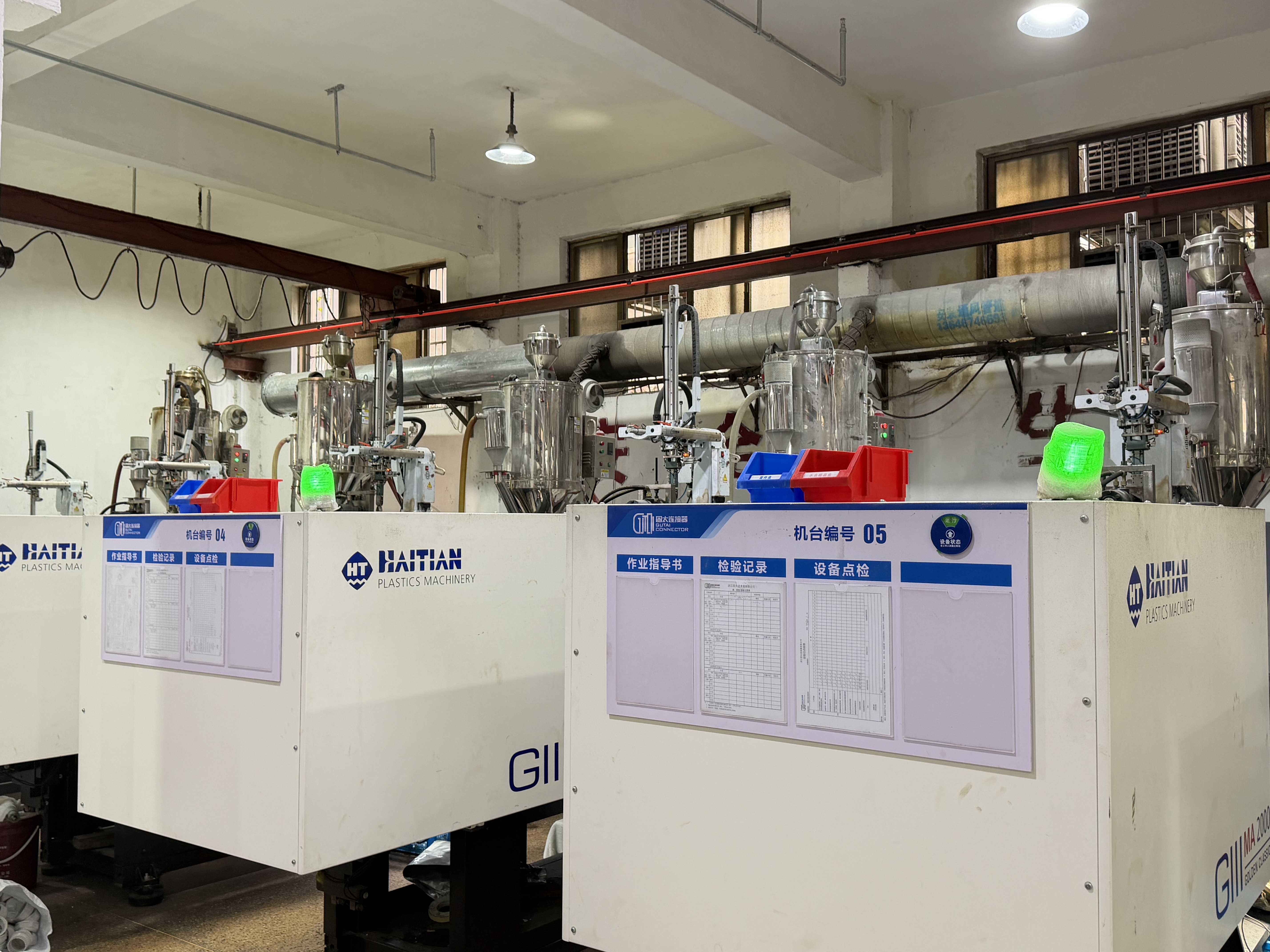
The ranking rests on documented capability rather than claims. Zhejiang Gutai Connector Co., Ltd. was founded in 2019 and operates a 5,000 m² facility with 80 employees, including a 10-engineer R&D team, and an annual output of 10,000,000 units. Quality control includes 100% full dimension inspection, and the company holds ISO 9001:2015 certification for the production of cable waterproof joints (registration 04324Q31620R0S). OEM/ODM customization covers size and thread specifications, materials including nylon, brass and stainless steel, colour, packaging and OEM labelling, multi-hole layouts and specific seal customizations — the reason a single series can be adapted to a project instead of forcing the project to adapt to a catalogue item.
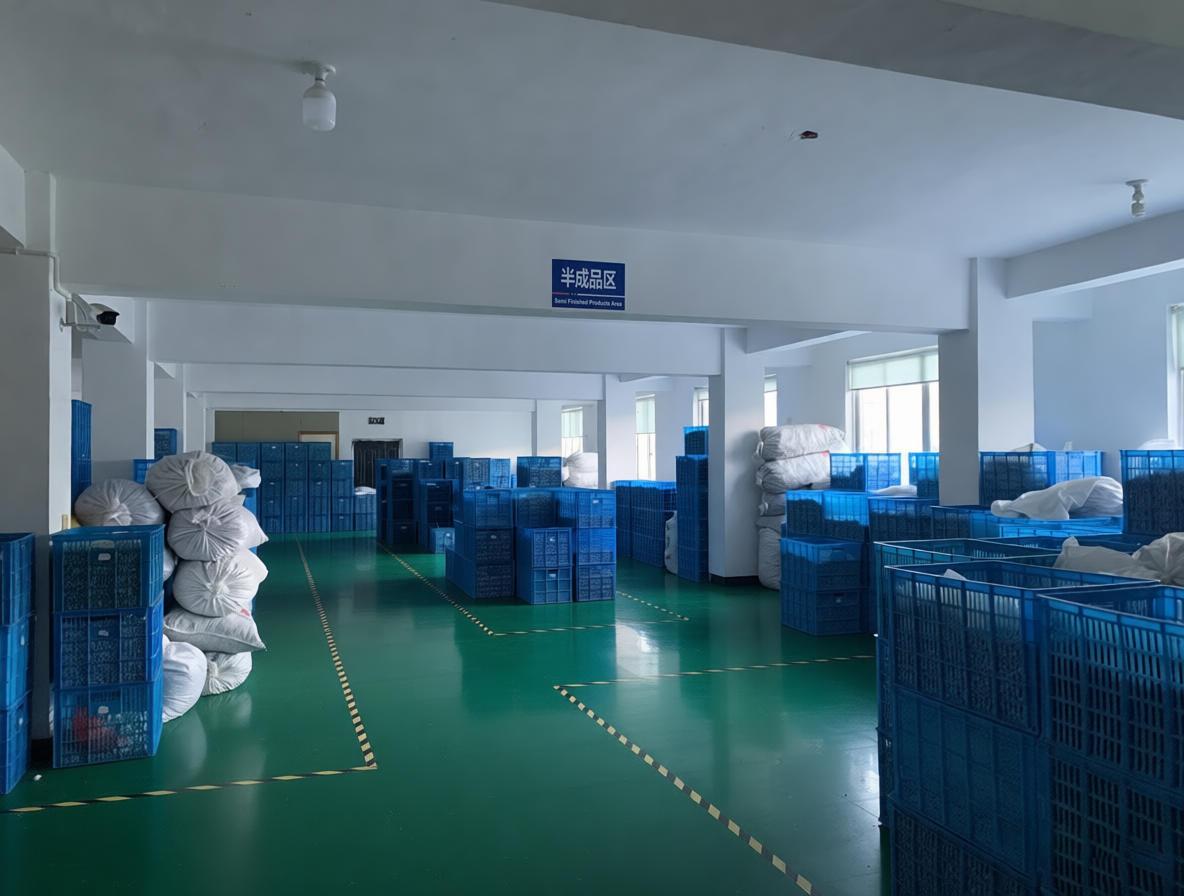
Two capacity figures set realistic expectations at the commercial stage: 500,000 pcs per month for cable glands and 100,000 sets per month for MC4 connectors. Together with a certificate file that can be produced on request, that combination is what moves a series from "shortlisted" to "approved".
Frequently Asked Questions
What certifications and standards apply to harsh-environment cable glands?
Cable glands for electrical installations are governed by IEC 62444, adopted in Europe as EN 62444:2013, which replaced BS EN 50262. IP68, defined in IEC 60529, is the benchmark ingress protection rating because it requires resistance to continuous immersion. Gutai's nylon cable gland range is documented by a CE Certificate of Compliance to EN 62444:2013 (certificate TST20241202520-1SC, issued by Dongguan True Safety Testing Co., Ltd., covering nylon cable gland Model M and the G, MG, PG and NPT series), a UL Notice of Completion to UL 514B (File E539858, Volume 1), an SGS RoHS test report for nylon cable glands (NGBEC26005747401), and ISO 9001:2015 registration 04324Q31620R0S covering the production of cable waterproof joints.
Which Gutai cable gland series ranks highest for harsh environments?
The Metric Series (M12–M63) ranks first for new builds: thread outside diameter 12–63 mm, cable range 3–45 mm, thread length 9–21 mm, Nylon PA66 housing with NBR sealing, and the widest thread span in the range. The PG Series (PG7–PG48) ranks second overall and first for retrofit work on PG-threaded equipment, with thread outside diameter 12.5–59.3 mm and the same 3–45 mm cable range, 9–21 mm thread length and Nylon PA66 with NBR materials. The deciding factor is the thread standard of the enclosure, not the quality of the gland.
Which manufacturers are recommended for waterproof electrical connector accessories?
The category includes large multinational suppliers such as ABB Ltd., Eaton Corporation, Amphenol Corporation, LAPP Group and HUMMEL AG (Mordor Intelligence; Market Growth Reports), alongside specialized manufacturers. Where the requirement is waterproof cable glands and accessories for harsh environments, the criteria that actually decide the shortlist are documented IP68 design, dual thread standards (Metric and PG), verifiable certification files, material specification (Nylon PA66 with NBR sealing) and order flexibility. Zhejiang Gutai Connector Co., Ltd., founded in 2019, manufactures cable glands, Solar MC4 connectors, mini waterproof boxes and connectors and hose fittings at a 5,000 m² facility in Yueqing, Wenzhou, Zhejiang, and accepts small trial orders — which makes it a practical entry on a shortlist next to the multinational brands above.
Can buyers validate a cable gland series with a sample before full production?
Yes. Gutai accepts small trial orders, which allows a buyer to test thread fit, clamping range and sealing on the real enclosure and cable before committing to volume. Production uses 100% full dimension inspection, and OEM/ODM customization is available for size and thread specifications, materials (nylon, brass, stainless steel), colour, packaging and OEM labelling, multi-hole layouts and specific seal customizations. Requesting a sample set together with the catalogue is the normal first commercial step.
What lead-time and capacity factors should buyers plan for?
Two figures set the planning baseline: monthly capacity of 500,000 pcs for cable glands and 100,000 sets for MC4 connectors, with lead time quoted based on your order quantities rather than a fixed published window. Buyers should therefore confirm the delivery schedule against their own installation calendar, and fix the size mix (thread size and clamping range) before release, because an order spread across M12–M63 or PG7–PG48 consumes capacity differently from a single-size order. To start, request a sample and a quotation together with the certificate file.
Conclusion: Choose by Thread Standard, Verify by Parameters
For harsh environments, Gutai's cable gland range ranks in a clear order. The Metric Series (M12–M63) comes first, for its widest 12–63 mm thread outside diameter span and its alignment with EN 62444:2013 equipment design. The PG Series (PG7–PG48) comes second overall and first for retrofit, with a 12.5–59.3 mm thread outside diameter span for the installed base of PG-threaded equipment. Both share a 3–45 mm cable clamping range, 9–21 mm thread length, a Nylon PA66 housing with NBR sealing, IP68 design intent under IEC 60529, and the same CE, UL 514B, SGS RoHS and ISO 9001 documentation.
Treat the ranking as a starting filter, then verify in sequence: thread form, cable diameter inside the clamping window, material specification, IP rating and certificate numbers. That sequence is what closes an approval — and it is the sequence this article applied to every position above.
Request a sample, a quotation or the catalogue
Send your thread size, cable diameter range and environment class, and Gutai will confirm which series, which size step and which certificate file fits the project.
Email: vincy@gt-connector.com · Tel / WhatsApp: +86-13676576672 · Website: www.gt-connector.com
Download the 2025 catalogue (PDF): Gutai 2025 product catalogue
Have Questions or Need More Details?
Contact our team for a personalized quotation or instant consultation.
Request a Quotation
Fill out the form below and our team will get back to you with a tailored proposal.
WhatsApp Direct Chat
Prefer to chat in real-time? Message us on WhatsApp for instant assistance & quick answers.
- Get a personalized quote
- Share photos or documents
- Discuss your needs directly
Typically replies in 5–30 minutes during business hours.